
Candy / Dishwasher / BR1
The machine does not fill
Explain what happens after Start: silence, a drain sound, a short fill or a displayed message. Mention recent work under the sink or an appliance move. Do not loosen the inlet connection or pull out a fitted dishwasher. The first actions in the programme help distinguish the complaint without predicting the failed component.
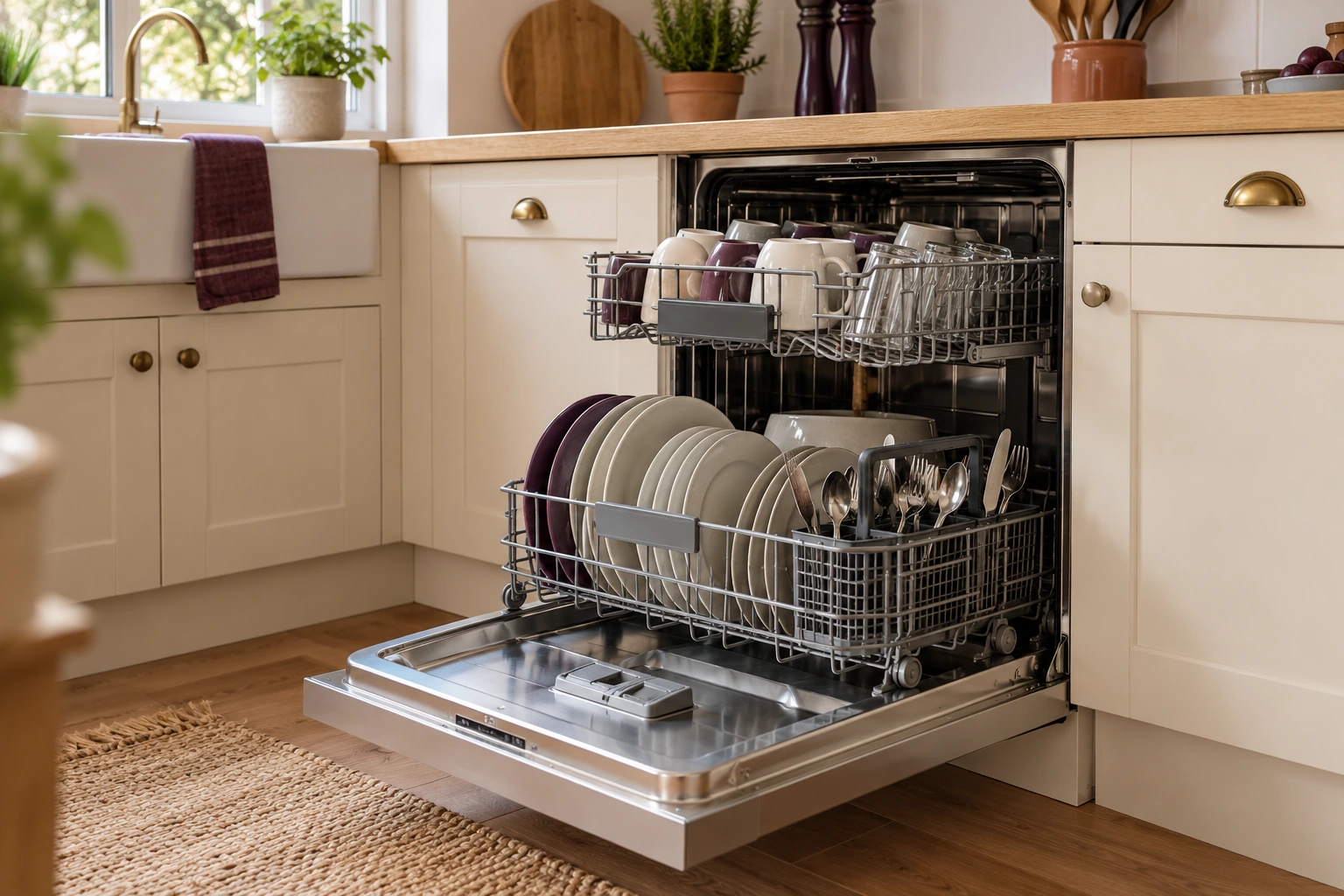
Compare this observation: one rack cleans worse than the other
Identify the poorer rack and describe the residue left there. Mention whether the pattern began after changing the loading or fitting taller items. Do not run the dishwasher with an open-door safety device bypassed. A difference between racks helps describe water distribution, but inspection is needed before naming a failed part.
The fitting is behind a furniture panel.
Describe the panel, plinth and visible surroundings. Leave the appliance fitted; photographs and an access description are enough to begin.
For the Bromley address
For a Bromley address, include the full BR1 postcode and entry arrangements. The district alone does not identify the property or confirm the visit.
Read the identity, not just the badge.
Quote the complete model and serial or service number from a safely visible label. Similar product names can hide different components. If the label is concealed, leave the appliance in place and tell us the model is unknown.
A manufacturer reference checked on 2026-10-26. Model identity does not confirm parts, stock or repair acceptance.
A useful question for the enquiry
Does “the machine does not fill” establish the failed part?
No. Describe that observation separately from “one rack cleans worse than the other”. Explain whether they began together or at different times, and include the fitting detail: the fitting is behind a furniture panel. The inspection can then consider the symptoms and safe access together.